
Free shipping from 12 bottles · Delivery throughout Switzerland

Free shipping from 12 bottles · Delivery throughout Switzerland

Utiel-Requena · Spain
José Luis Torres Carpio farms around 2.5 hectares in Casas de Eufemia by the lunar calendar. Each of his wines carries the name of its plot, with vines from 60 to over 100 years old.
2 Red wines, 2 White wines, 1 Rosé. From CHF 19.00.
Bobal
CHF 25.00
Tardana
CHF 21.00
Tardana
CHF 21.00
Grenache
CHF 19.00
Bobal, Grenache
CHF 19.00
No wine matches these filters.
Tasting boxes
Origin
Casas de Eufemia is a hamlet belonging to Requena, in the D.O. Utiel-Requena in the province of Valencia. In 2008 José Luis Torres Carpio set up a small cellar in the village. The vines around it have been in the family for generations, and none of them is irrigated.
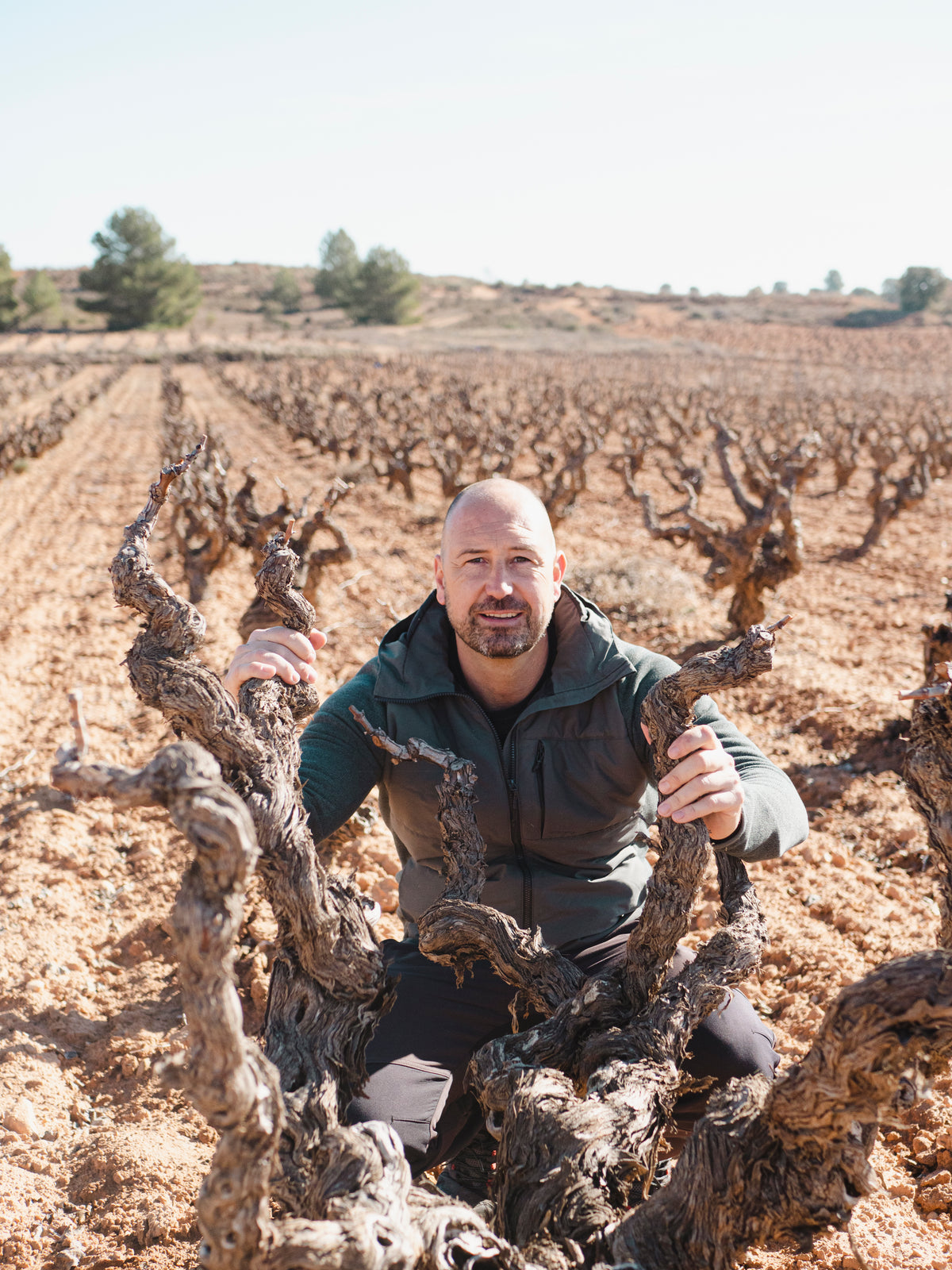

The people
José Luis trained as an oenologist at the wine and viticulture school in Requena. For his own project he set aside around 2.5 hectares of the family vines. No chemicals are used there, and the work in the vineyard follows the lunar calendar strictly. The grapes are picked by hand into 15 kilo crates.
Philosophy
Every Carres wine comes from a single plot and carries its name.
José Luis farms five of them: Membrillera, Malarado, Olivastro, Pico d'Agila and Sabinilla. Depending on the plot, the bush vines there are between 25 and more than 100 years old.
One plot, one wine
Sabinilla is Tardana from vines over 60 years old, Malarado a rosé of Bobal and Garnacha, Pico d'Agila pure Garnacha, and Olivastro Bobal from bush vines over 100 years old. Each wine carries the name of its plot.
Tardana
CHF 21.00
Bobal, Grenache
CHF 19.00
Grenache
CHF 19.00
Bobal
CHF 25.00
Terroir
Clay and limestone with plenty of gravel, plus some sandy plots. In Pico d'Agila there is sand on top and clay from 70 centimetres down; Sabinilla and Malarado grow on sandy clay.
Bobal is the main variety, on its own in Olivastro and 60 percent of Malarado. Garnacha goes into Pico d'Agila and Malarado, the white Tardana into Sabinilla.
Continental with a Mediterranean influence: hot, dry summers, cold winters and big differences between day and night temperatures. Annual rainfall is often below 200 millimetres.
In the cellar
Everything ferments spontaneously with the yeasts that come into the cellar on the grapes, often in open vats. José Luis extracts gently. The reds then age in second or third fill barriques so the fruit stays in front, some lots in amphorae. Sabinilla spends three months on its fine lees in barrique, stirred regularly. Most wines are bottled unfined and unfiltered, with little sulphur.
At Carres you can drink Bobal in two colours. Olivastro comes from bush vines over 100 years old and shows raspberry, blackberry and a little smoke from the barrel. In the Malarado Rosado, Bobal joins Garnacha in a rosé with real structure that works with rice dishes or grilled fish. Our advice: buy two bottles of Olivastro and keep one in the cellar for a few years, it keeps developing in the bottle.
Photos


The founder of Bodega Carres. He is a trained oenologist, schooled at the viticulture and oenology college in Requena, and founded the winery in 2008 in Casas de Eufemia, part of Requena in the D.O. Utiel-Requena, province of Valencia. He farms about 2.5 hectares of his own vines without chemicals, and work in the vineyard strictly follows the lunar calendar.
Because each wine comes from a single site and carries its name: Olivastro, Pico d'Agila, Malarado and Sabinilla, and José Luis also farms the Membrillera plot. The family has looked after these vineyards for generations. Depending on the plot, the vines are 25 to over 100 years old, trained as bush vines and never irrigated.
The native red grape of Utiel-Requena, a region with 2,500 years of winemaking. At Carres it makes up the Olivastro, pure Bobal from bush vines over 100 years old, and 60 percent of the Malarado Rosado. The Olivastro shows ripe red fruit such as raspberry and blackberry, with fine toasty notes from used French barriques.
A native white variety of the region. José Luis turns it into Sabinilla, from dry-farmed bush vines over 60 years old. The wine ferments spontaneously and spends three months on the fine lees in French barriques, with bâtonnage. It smells of peach and apricot, feels creamy and has only 12 percent alcohol. We have it from 2023 and 2024.
The Olivastro with grilled meat, game, braised dishes and aged hard cheese. The Pico d'Agila, pure Garnacha, with tapas, roast poultry and grilled vegetables, ideally lightly chilled at 14 to 16 °C. The Malarado suits Mediterranean starters, rice and grilled fish, the Sabinilla rice and pasta dishes, salads or an aperitif.
With as little intervention as possible. Picking is by hand, into 15-kilo crates. The grapes ferment spontaneously with wild yeasts, extraction is gentle, often in open fermenters. The wines then age in used wooden barrels or amphorae and are mostly bottled unfined and unfiltered, with little sulphur.
Yes, and one with structure. It is 60 percent Bobal from 50-year-old vines and 40 percent Garnacha from 25-year-old vines, both from the Malarado single site. The varieties ferment separately, and part of the Bobal ages in used barriques. In the glass a pale ruby pink, on the nose cherry, strawberry and rose petals.
Discover more


I am 18 or older
Your cart is currently empty.


