
Free shipping from 12 bottles · Delivery throughout Switzerland

Free shipping from 12 bottles · Delivery throughout Switzerland

Bierzo · Spain
José Mas makes exactly one wine, Massuria, from Mencía vines planted between 1912 and 1970. He worked for the Moueix family of Pétrus and is giving himself another 20 years to make it perfect.
12 Red wines. From CHF 36.00.
Mencía
CHF 55.00
Mencía
CHF 49.00
Mencía
CHF 85.00
Mencía
CHF 89.00
Mencía
CHF 83.00
Mencía
CHF 79.00
Mencía
CHF 99.00
Mencía
CHF 38.00
Mencía
CHF 36.00
Mencía
CHF 55.00
Mencía
Sold Out
Mencía
Sold Out
No wine matches these filters.
Origin
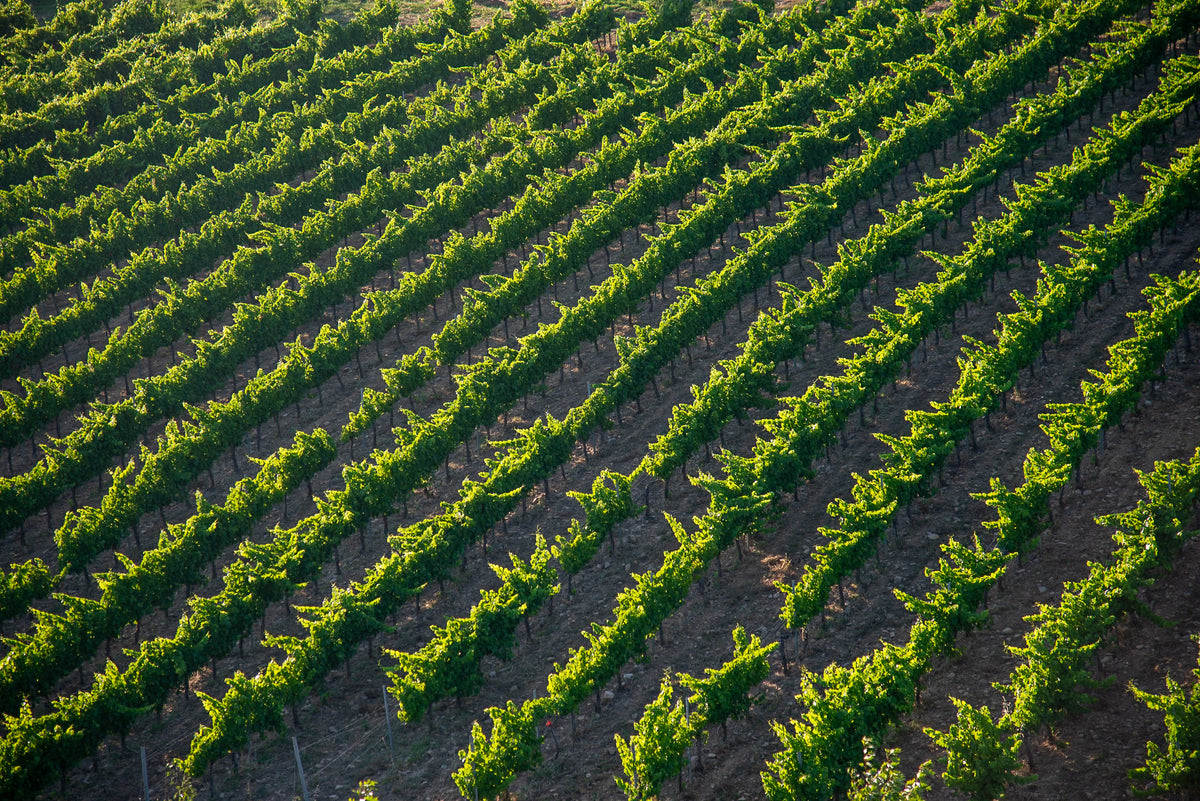
Mas Asturias has four hectares of Mencía spread over twelve plots in Bierzo. To put them together José bought more than 60 small pieces of land. The vines were planted between 1912 and 1970 and are not clones. Most plots lie on clay and clay loam that holds water well, a few on rounded gravel and sand. The cellar is in Villafranca del Bierzo; the Mas family is building a new one at the entrance to the town.

The people
José Mas studied agricultural engineering in Lleida and oenology in Montpellier. He worked in South Africa and, from 2002 to 2004, in Pomerol and Saint-Émilion for the Moueix family, alongside Jean-Claude Berrouet, the oenologist of Château Pétrus. He then went looking in Bierzo for a place with the right climate for long-lived wines. He makes a single wine, Massuria, between just over 6,000 and 15,000 bottles depending on the year, plus magnums and larger formats. José gives himself another 20 years to make it as good as he wants it to be.
Philosophy
Massuria is made for long ageing.
The estate gives the 2008 a drinking window up to 2040, the 2015 from 2022 to 2050 and the 2021 from 2026 to 2040. That is why we have also set aside bottles of older vintages, going back to 2007.
A vertical
2007 and 2020 were warm years with an early harvest, 2008 and 2021 cool ones. The same wine from the same old vines, and every year tastes different: from the mature 2007 with leather and tobacco to the young 2021 with red fruit.
Mencía
CHF 55.00
Mencía
CHF 55.00
Mencía
CHF 38.00
Mencía
CHF 36.00
Terroir
Mostly clay and clay loam that holds water, plus a few plots with rounded gravel and sand.
Mencía from old vines planted between 1912 and 1970. The 2020 and 2021 vintages include 2 percent Alicante Bouschet. The vineyards are farmed organically without herbicides; the only sprays are copper and sulphur.
Mediterranean with Atlantic and continental influences. The weather decides how a year turns out: 2008 had the coolest August since 1977, 2020 brought one of the earliest harvests of the last twenty years.
In the cellar
Picking is by hand and only in the cool morning hours, in 2020 with a team of 18, so the grapes do not reach the cellar warm. Fermentation is spontaneous with the yeasts from the vineyard. The wine then ages 12 to 15 months in French barriques, only 5 percent new for the 2020, and afterwards in steel or concrete. It is neither fined nor filtered. Because the work in the vineyard and cellar is very clean, the wine needs little sulphur.
For the vintages 2015 to 2019 we also have Massuria in magnum. Only 1,143 magnums of the 2015 were filled; 2017 was a frost year with a fifth of a normal harvest and gave a light wine with fine tannins. For an evening with game we would take the 2015. Together with 2010 it counts as one of the best vintages since José started working in Bierzo.
Photos


Because he has set himself a goal: the Massuria is to become the reference wine of the Bierzo and of Mencía. So he puts everything into this one grape and this one wine, and quality comes before quantity. José is giving himself another 20 years to make it perfect. In our shop you will find the Massuria in vintages from 2007 to 2021, some in magnum.
An agricultural engineer who studied oenology in Montpellier. From 2002 to 2004 he worked for the Moueix family in Pomerol and Saint-Émilion, whose estates include Château Pétrus. His bodega is in Villafranca del Bierzo in north-west Spain, and the Mas family is building a new winery at the entrance to the town.
From four hectares of the estate's own vines, spread over twelve plots in the Bierzo. The vines are not clones and were planted between 1912 and 1970. They are farmed organically, without herbicides or pesticides. The soils are loamy and hold water well, and some plots lie on gravel. The Massuria is Mencía, with 2 percent Alicante Bouschet in the 2020 and 2021 vintages.
Picking is by hand, and fermentation starts spontaneously with native yeasts. The wine then ages in French barriques, usually 12 to 15 months, followed by time in steel tanks; the 2021 spent two years in concrete. It is neither fined nor filtered. Because the work in vineyard and cellar is very clean, the wine needs little sulphur.
The weather makes the difference. 2007 was warm, with a very early harvest, and the wine now shows leather and tobacco. 2008 had the coolest August since 1977 and comes across classic and precise. 2010 was hot and dry, one of the best vintages since José started in the Bierzo, together with 2015. 2020 is dense and powerful, 2021 cooler, elegant and mineral.
In our shop five vintages, 2015 to 2019, between CHF 79 and 99. Quantities are small: 1,143 magnums of the 2015 were bottled. 2017 was a frost year, only a fifth of a normal crop was picked, and the wine is light with fine tannins. 2016 and 2018 were sunny years; the 2016 is the more mineral one, the 2018 shows more fruit.
It is made for long ageing. The 2008 is in its drinking window until 2040, the 2015 from 2022 to 2050, the 2020 from 2025 to 2050 and the 2021 from 2026 to 2040. At the table it goes with game, braised dishes and aged cheese, and the younger vintages also with regional specialities such as cecina or lacón.
Standard bottles cost between CHF 36 for the 2021 and CHF 55 for 2007 and 2008, magnums between CHF 79 and 99.
Discover more

I am 18 or older
Your cart is currently empty.


