
Free shipping from 12 bottles · Delivery throughout Switzerland

Free shipping from 12 bottles · Delivery throughout Switzerland

Piedmont · Italy
The Colla vineyard of Fabrizio Battaglino's grandfather played a key role in the creation of the Roero DOCG. Fabrizio vinifies each plot around Vezza d'Alba separately, so you can taste the differences between the soils.
4 Red wines, 3 White wines, 1 Rosé. From CHF 16.00.
Barbera
CHF 20.00
Nebbiolo
Sale price
CHF 16.00
Regular price
CHF 19.00
Nebbiolo
CHF 27.00
Nebbiolo
CHF 32.00
Arneis
CHF 19.00
Arneis
CHF 17.00
Arneis
CHF 24.00
Sold Out
No wine matches these filters.
Origin
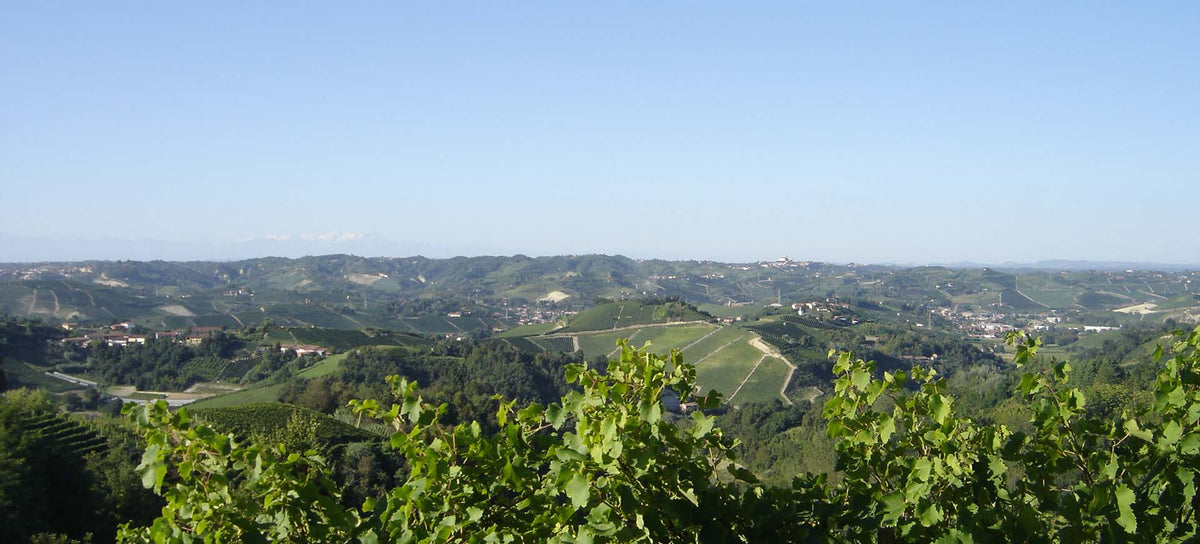
The Roero lies in Piedmont on the left bank of the Tanaro and is about a quarter the size of the Langhe across the river. Its sand and limestone soils are of marine origin and often change from one side of the same hill to the other. The Battaglino family's vines grow near Vezza d'Alba, on the Colla and Montebello hills, five hectares in all.

The people
Fabrizio's grandfather Riccardo Battaglino was one of the first producers to sell his wine in bottle, in the early 1960s: Barbera and Nebbiolo. In 1973 Luigi Veronelli listed him in the «Catalogo Bolaffi dei vini del mondo». Fabrizio's father Mario ran the estate next, and today Fabrizio is in charge, the third generation. The Colla vineyard already belonged to Riccardo. In 2005 it produced the very first bottle ever released as Roero DOCG.
Philosophy
The rows in Colla are so steep that they still have to be worked by hand.
Five hectares is small enough for the family to farm them themselves all year round. Every plot is picked by hand.
The reds from Vezza d'Alba
The Paradi’ spends 12 months in barrique, the Colla 18 months, the Riserva Colla 24 months in new Allier barrels. The Barbera Munbèl tastes of dried plums and tobacco.
Nebbiolo
Sale price
CHF 16.00
Regular price
CHF 19.00
Nebbiolo
CHF 27.00
Nebbiolo
CHF 32.00
Barbera
CHF 20.00
Terroir
Sand and limestone of marine origin, mixed differently in each site. Bastia and Paradi' near Vezza d'Alba have coarse sand and sandstone, Colla more limestone, San Michele near Canale limey sand.
Three varieties: Arneis for the whites from San Michele and Bastia, Nebbiolo for Paradi', Colla and the Riserva Colla, Barbera for Munbèl.
Warm days, cool nights and almost always some wind, so the grapes ripen slowly. In 2024 the Arneis was harvested in dry weather.
In the cellar
Each site goes into its own tank. Fermentation is temperature controlled, around 15 days in steel for the reds. The Arneis from San Michele and Bastia stays in steel and is bottled young. The Riserva Bastia has a short time on the skins and then six months in barrique. For the Nebbiolo, barrique ageing runs from twelve months for Paradi' to 24 months in new Allier oak for the Riserva Colla.
If you only know Arneis as a light summer white, try the Riserva Bastia. It spends a little time on the skins, ages six months in barrique and smells of sage, thyme and rosemary. We would rather drink it with poultry than as an aperitif. Among the reds, our pick is Colla, pure Nebbiolo from the grandfather's vineyard.
Photos


The Colla vineyard has belonged to the family for generations; it was Fabrizio's grandfather's vineyard. It played a key role when the first Roero DOCG was recognised, and the family is still proud of that. Two of our Nebbiolos come from this site: the Roero Colla 2021 for CHF 27 and the Roero Riserva Colla 2020 for CHF 32.
In Vezza d'Alba in the Roero, Piedmont. The Battaglino family has farmed small plots here since the early 1960s. The light soils of sand and limestone are of marine origin. The climate brings warm days, cool nights and steady wind, so the grapes ripen slowly. Fabrizio grew up in the Roero and knows each of his vineyards in detail.
In our shop there are three. Arneis in three white wines: San Michele, Bastia and Riserva Bastia. Nebbiolo in the Paradi’, the Colla and the Riserva Colla. And the Barbera Munbèl. Fabrizio makes the rosé from native red varieties of the Roero.
Site and ageing. The San Michele comes from Canale, from chalky sandy soils, and ferments in steel, CHF 17. The Bastia grows in Vezza d'Alba on coarse sand and sandstone, also without wood, CHF 19. The Riserva Bastia 2021 spends a short time on the skins and six months in barrique. It smells of sage, thyme and rosemary, CHF 24.
All three are pure Nebbiolo; the difference lies in the wood and the quantity. The Nebbiolo d'Alba Paradi’ spends 12 months in barrique and currently costs CHF 16 instead of 19. The Roero Colla ages 18 months in Allier barriques, half of them new, 6,000 bottles, CHF 27. The Riserva Colla spends 24 months in new wood, 2,500 bottles, CHF 32.
With restraint. He vinifies each plot separately so that you can taste the differences between the soils. Picking is by hand, and fermentation is temperature-controlled, usually 15 days in steel tanks. Whether wood or steel follows depends on the grape and the vintage: San Michele and Bastia stay in steel, the Nebbiolos and the Barbera go into barrique.
With antipasti, risotto, fish and seafood, take an Arneis, San Michele or Bastia. The Riserva Bastia can handle poultry and dishes with herbs. The rosé is an aperitif or goes with light starters. With ragù, tagliata and mushroom dishes, open the Paradi’; with braised dishes, game and aged cheese, the Barbera or a Colla.
Discover more

I am 18 or older
Your cart is currently empty.


