
Free shipping from 12 bottles · Delivery throughout Switzerland

Free shipping from 12 bottles · Delivery throughout Switzerland

Ventoux & Luberon · France
On a hill above Gargas, looking out at Mont Ventoux, oenologist Frank John from Germany's Pfalz has been converting the estate to biodynamics since 2024. The work is done without herbicides and without tilling.
2 Red wines, 3 White wines, 2 Rosés, 1 Sweet wine. From CHF 24.90.
CHF 25.00
Syrah, Grenache
CHF 29.00
Syrah, Grenache
CHF 39.00
Marsanne, Grenache blanc, Viognier, Roussanne
CHF 29.00
Syrah, Grenache
CHF 39.00
Roussanne, Grenache blanc
CHF 39.00
Syrah, Grenache
Sale price
CHF 24.90
Regular price
CHF 29.00
Caladoc
CHF 29.00
Viognier, Grenache blanc, Roussanne
CHF 29.00
No wine matches these filters.
Tasting boxes
Origin
The domaine sits on a hill above Gargas in the Vaucluse, in the Luberon Regional Nature Park, a UNESCO biosphere reserve since 1990. The view reaches to Mont Ventoux, with vines, lavender and pine woods all around.
Most of the vineyards belong to the AOC Ventoux. Many of them surround the Coquillade hotel, which is part of the same estate.
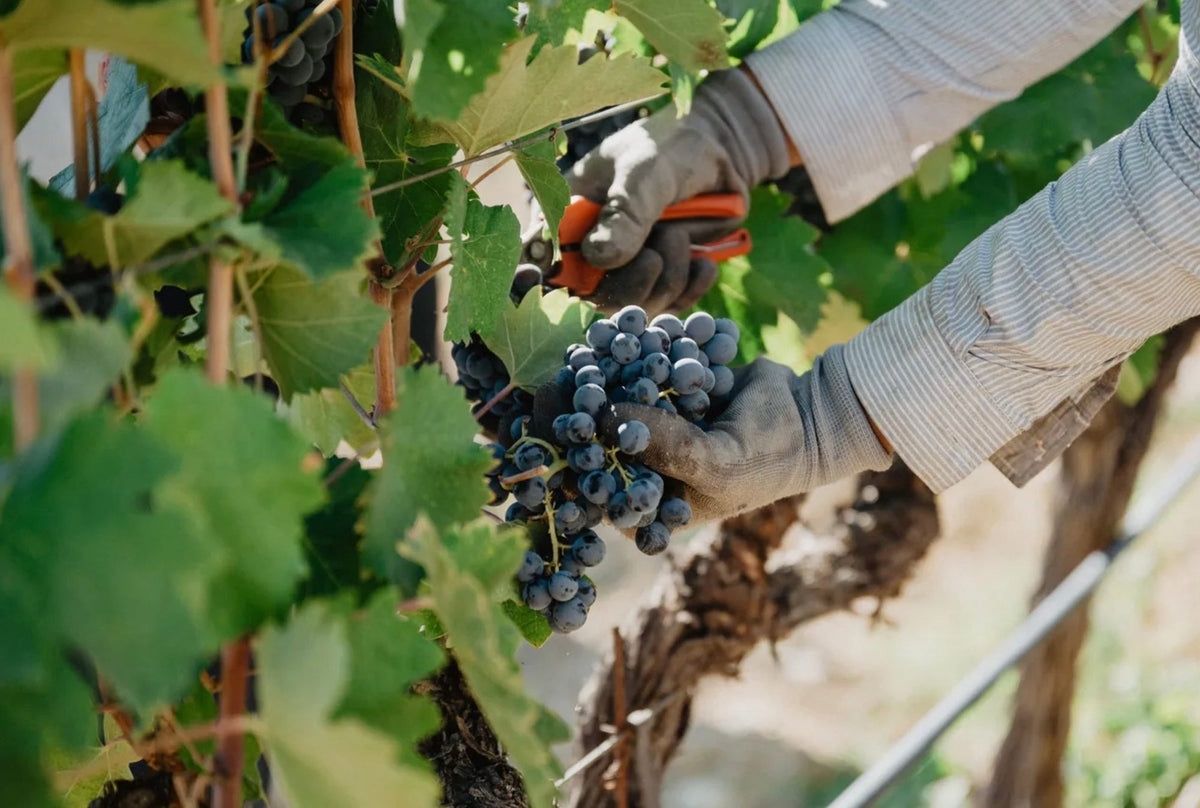

The people
Frank John is an oenologist and vine breeder from the Palatinate in Germany. Since 2024 he has led the Coquillade's conversion to biodynamics, in the vineyard and in the cellar. The domaine had already been certified organic (AB) since 2022.
He uses no synthetic pesticides or herbicides, and the soil is no longer tilled, to encourage healthy soils and plenty of biodiversity.
Syrah and Grenache
Elyo is the entry range, Coquillade the next step up. Both rosés are 95 percent Syrah and directly pressed, and the Elyo Rosé won a silver medal from VINUM. In the Coquillade Rouge, Grenache leads with 52 percent.
Syrah, Grenache
CHF 29.00
Syrah, Grenache
Sale price
CHF 24.90
Regular price
CHF 29.00
Syrah, Grenache
CHF 39.00
Syrah, Grenache
CHF 39.00
Terroir
Red, iron-rich limestone and sand, stony and free-draining. The Caladoc vines for the Rubis, around 25 years old, also grow on the iron-rich limestone.
Syrah and Grenache for red and rosé; Roussanne, Marsanne, Viognier and Grenache Blanc for the whites. And Caladoc, a cross of Grenache and Malbec, for the sweet Rubis.
Mediterranean, with hot, sunny days and cool nights in the Luberon.
In the cellar
Fermentation is spontaneous with native yeasts, and ageing takes place in steel, concrete, wood, ceramic and amphorae. The rosés of both lines are 95 percent Syrah and directly pressed.
For the Coquillade Rouge 2023, Grenache and Syrah are picked late and fermented separately in steel and concrete, then part of the wine ages in wood. For the Rubis, fermentation is stopped with alcohol to keep the sweetness of the fruit, followed by twelve months in barriques and tonneaux.
The Coquillade makes two lines, Elyo as the entry point and Coquillade one step up. Our advice: start with the Elyo Rosé. It has the same make-up as the Coquillade Rosé, 95 percent Syrah and 5 percent Grenache.
If you are not drinking on a given evening, the Rosé Pétillant is a rosé with 0.0 percent alcohol, dealcoholised under vacuum at low temperature.
Photos


They are the estate's two ranges from the Luberon, each in white, rosé and red. Elyo is the entry range, with wines at around CHF 29. The Coquillade wines cost CHF 39. Red and rosé in both ranges are made from Syrah and Grenache. The Elyo Blanc blends Marsanne, Viognier, Grenache Blanc and Roussanne, while the Coquillade Blanc is almost pure Roussanne.
The Elyo wines and the Rubis cost around CHF 29, the alcohol-free Rosé Pétillant CHF 25, the Coquillade range CHF 39.
On a hill above Gargas in the Vaucluse, in the middle of the Luberon nature park, a UNESCO biosphere reserve since 1990. From there you look out to Mont Ventoux, surrounded by vines, lavender fields and pine woods. Most of the vineyards belong to the AOC Ventoux, and many stand around the Hotel Coquillade, which is part of the same estate.
Frank John, an oenologist and vine breeder from the Palatinate. Since 2024 he has led the estate's conversion to biodynamics, in the vineyard as well as in the cellar. The estate has been certified organic (AB) since 2022. No synthetic pesticides or herbicides are used, and the soil is not tilled, so that healthy soils and rich biodiversity can develop.
Both are 95 percent Syrah with 5 percent Grenache, directly pressed, spontaneously fermented and aged in concrete, wood and ceramic. The Elyo Rosé 2024 for CHF 29 won a silver medal from VINUM, judged among 800 rosés. The Coquillade Rosé 2024 costs CHF 39. Both go with seafood, salads and light poultry, or simply on their own.
A sweet red wine made from pure Caladoc, from vines averaging 25 years on iron-rich limestone. Fermentation is stopped by adding alcohol, which keeps the sweetness of the fruit. It then ages for twelve months in barriques and tonneaux. It smells of amarena cherry, blackberry and plum and suits game, blue cheese and dark chocolate. The bottle holds 0.5 litres.
Yes, the Rosé Pétillant. It is made from the estate's rosé wines, dealcoholised under vacuum at low temperature so that aroma and colour stay. Then it gets its bubbles. It has 0.0 percent alcohol, tastes of red berries with a gentle sweetness and makes an aperitif for everyone who is not drinking that evening. CHF 25.
Along biodynamic principles: spontaneous fermentation with native yeasts, little intervention, careful selection of plots. The wines age in steel, concrete, wooden casks, ceramic and amphorae. For the Coquillade Rouge 2023, 52 percent Grenache and 48 percent Syrah, the grapes are picked late, the varieties ferment separately in steel and concrete, and part of the wine then ages in wood.
Discover more

I am 18 or older
Your cart is currently empty.


