
Free shipping from 12 bottles · Delivery throughout Switzerland

Free shipping from 12 bottles · Delivery throughout Switzerland

Champagne · France
The Frézier family has worked the same vineyards south of Épernay since 1823. Sébastien and Aurore are the seventh generation and do everything themselves, from pruning to the bottle.
6 Sparkling wines. From CHF 33.90.
Pinot Noir
CHF 34.90
Chardonnay, Pinot Noir, Meunier
CHF 39.00
Chardonnay
CHF 34.90
Chardonnay
CHF 33.90
Meunier
CHF 34.90
Chardonnay
CHF 49.00
No wine matches these filters.
Tasting boxes
Origin
Monthelon sits on the slopes south of Épernay, between the Marne valley and the Côte des Blancs. The family's vines are in Monthelon, Mancy and Chavot-Courcourt, with further plots in Cramant, Grauves and Hautvillers.
The Fréziers have farmed the same sites since 1823. In 1935 the family made wine from part of the harvest for the first time and sold it under its own name. Denis Frézier took over in 1975, and his son Sébastien in 2003.

The people
Sébastien and Aurore Frézier run the house as the seventh generation. They are récoltant-manipulant and members of the Vignerons Indépendants, which means they use only grapes from their own vineyards and do everything themselves, from pruning to disgorging.
In 2012 Sébastien began bottling the differences between his sites as separate cuvées. That is where the Terroir champagnes come from: pure Chardonnay, pure Pinot Noir and pure Meunier.
Philosophy
For Sébastien, good champagne is made in the vineyard.
Since 2016 the estate has been certified under Viticulture Durable en Champagne and Haute Valeur Environnementale. Conversion to organic farming began in 2020, and since 2023 all the vines have been certified organic. The ground between the rows is kept green, and Sébastien uses no herbicides.
Three grapes, one vintage
Terroir Blanc is pure Chardonnay, Terroir Noir pure Pinot Noir, Terroir Meunier pure Meunier with no dosage. In the Expression 2018 all three come together, after more than seven years on the lees. Taste the three Terroirs side by side before you open the Expression.
Chardonnay
CHF 34.90
Pinot Noir
CHF 34.90
Meunier
CHF 34.90
Chardonnay, Pinot Noir, Meunier
CHF 39.00
Terroir
Limestone and chalk soils in Monthelon, Mancy and Chavot-Courcourt. The plots in Cramant lie on the Côte des Blancs and supply the Chardonnay for the Exception.
Chardonnay, Pinot Noir and Meunier. They come together in the Expression 2018: 60 percent Chardonnay, 20 percent each of Pinot Noir and Meunier.
Cool and continental, with marked extremes of temperature. The grapes ripen slowly and keep plenty of acidity, which is what allows long ageing on the lees.
In the cellar
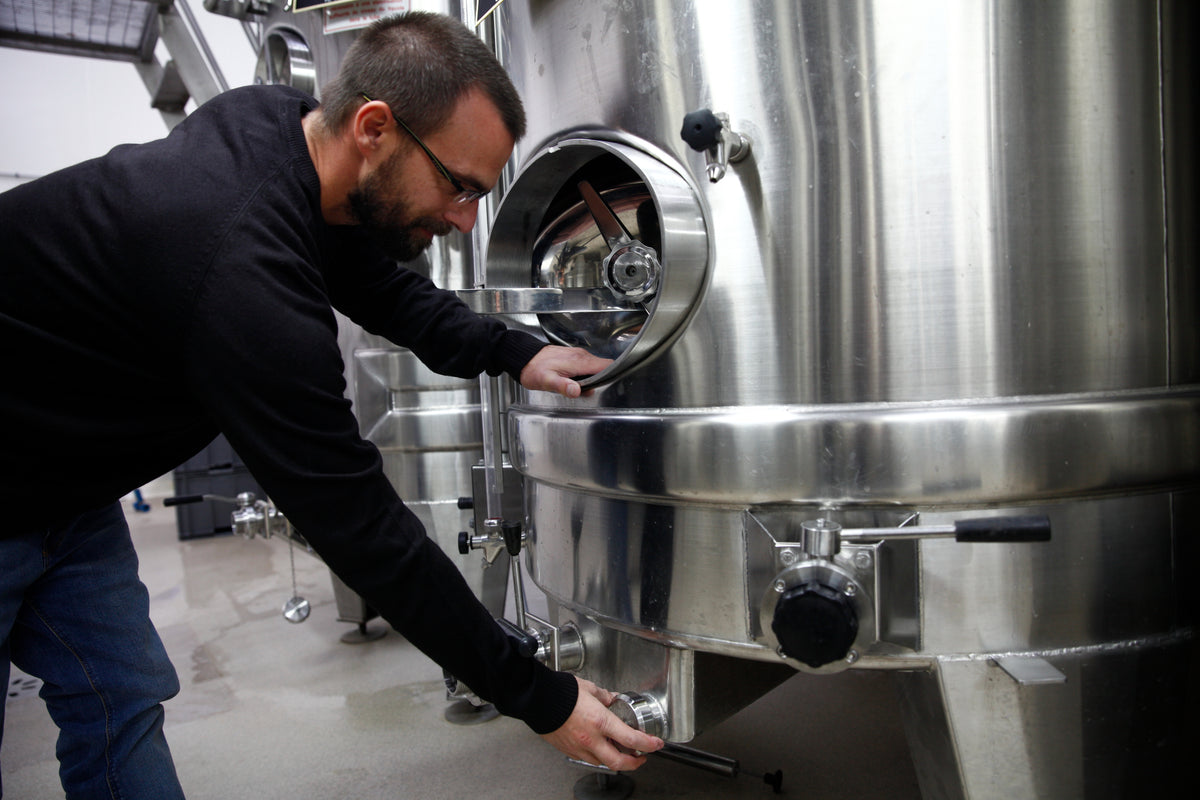
Each plot is picked and pressed separately. Since 2014 Frézier has had its own press house and a temperature-controlled stainless steel cellar, where the base wines are made. Sébastien does the blending himself.
The bottles then spend two to eight years on the lees, depending on the cuvée: just over two years for the Terroir Noir, more than three for the Terroir Blanc and Esprit Rosé, more than seven for the Expression 2018 and Exception 2016. After disgorging they rest for at least another three months before release.
In the Terroir Meunier, Frézier bottles Meunier on its own, three to four years on the lees and with no dosage. Of the house's champagnes, this is the one we would start with, especially if you usually drink Blanc de Blancs.
For a special dinner, take the Exception 2016: pure Chardonnay from old vines in the Grand Cru village of Cramant, more than seven years on the lees, Brut Nature.
Photos


Since 1823, when the first Denis Frézier laid the foundations in Monthelon, south of Épernay. In 1935 the family first vinified part of the harvest itself and sold it under its own name. Today Sébastien and his wife Aurore run the house as the seventh generation, on the same plots as their ancestors.
Everything from pruning to bottling happens in-house. Frézier is a récoltant-manipulant and a member of the Vignerons Indépendants, so it only uses grapes from its own plots. Each plot is picked separately and pressed gently. Since 2014 the base wines have been made in a temperature-controlled stainless steel cellar, and for Sébastien the blending is the heart of his work.
Yes. Since 2016 the estate has been certified under Viticulture Durable en Champagne and Haute Valeur Environnementale. The switch to organic farming began in 2020, and since 2023 all vineyards have been certified organic. Sébastien focuses on healthy soils, cover crops and biodiversity and uses no herbicides. For him, good Champagne is made in the vineyard.
The three classic Champagne varieties. Chardonnay carries the Terroir Blanc and the Exception and makes up most of the Esprit Rosé and the Expression. Pinot Noir stands alone in the Terroir Noir, Meunier alone in the Terroir Meunier. The Expression 2018 brings all three together: 60 percent Chardonnay, 20 percent each of Pinot Noir and Meunier.
Two to eight years, depending on the cuvée. The Terroir Noir spends over two years on the lees, the Terroir Blanc and the Esprit Rosé over three, the Terroir Meunier three to four years. The two vintage Champagnes, Expression 2018 and Exception 2016, age for more than seven years. After disgorging, the bottles rest for at least another three months.
A Blanc de Blancs made from pure Chardonnay from old vines in Cramant, a Grand Cru village on the Côte des Blancs. It spent more than seven years on the lees and is Brut Nature, meaning no added sugar. Deep gold in the glass, linden blossom and acacia on the nose, later puff pastry and frangipane, with a touch of marzipan at the end. Good with oysters, caviar and fish. CHF 49.
Pour the Terroir Blanc with oysters, sashimi or fish. The Terroir Noir is more powerful and suits poultry, veal and mushroom dishes. The Terroir Meunier, with no dosage, is best as an aperitif or with mussels. The Esprit Rosé goes with salmon tartare, sushi or red fruit desserts, the Expression 2018 with turbot, scallops and creamy sauces.
The Esprit Rosé costs CHF 33.90, the three Terroir Champagnes CHF 34.90 each. The Expression 2018 costs CHF 39 and the Exception 2016 CHF 49.
Discover more

I am 18 or older
Your cart is currently empty.


