
Free shipping from 12 bottles · Delivery throughout Switzerland

Free shipping from 12 bottles · Delivery throughout Switzerland

Bierzo · Spain
In 2019 the Fariña brothers of Attis started a project in the Bierzo with Robustiano's daughter Lía, whose mother comes from the area. Two wines bear the names of the Pico Tuerto and La Yegua mountains.
3 Red wines, 4 White wines. From CHF 18.00.
Mencía
CHF 45.00
Godello, Doña Blanca / Dona Branca
CHF 29.00
Mencía
CHF 29.00
Godello
CHF 19.00
Mencía
CHF 18.00
Godello
CHF 45.00
Godello, Doña Blanca / Dona Branca
Sold Out
No wine matches these filters.
Tasting boxes
Origin
The Bierzo is a wide valley in the province of León, ringed by mountains. Two of them give their names to Sangarida wines: Pico Tuerto at 2,051 metres and La Yegua at 2,142 metres.
The vines grow in Campo, Molinaseca and San Lorenzo del Bierzo on the slopes of the Montes Aquilianos, plus the La Tarea site near Cacabelos, planted in 1999.
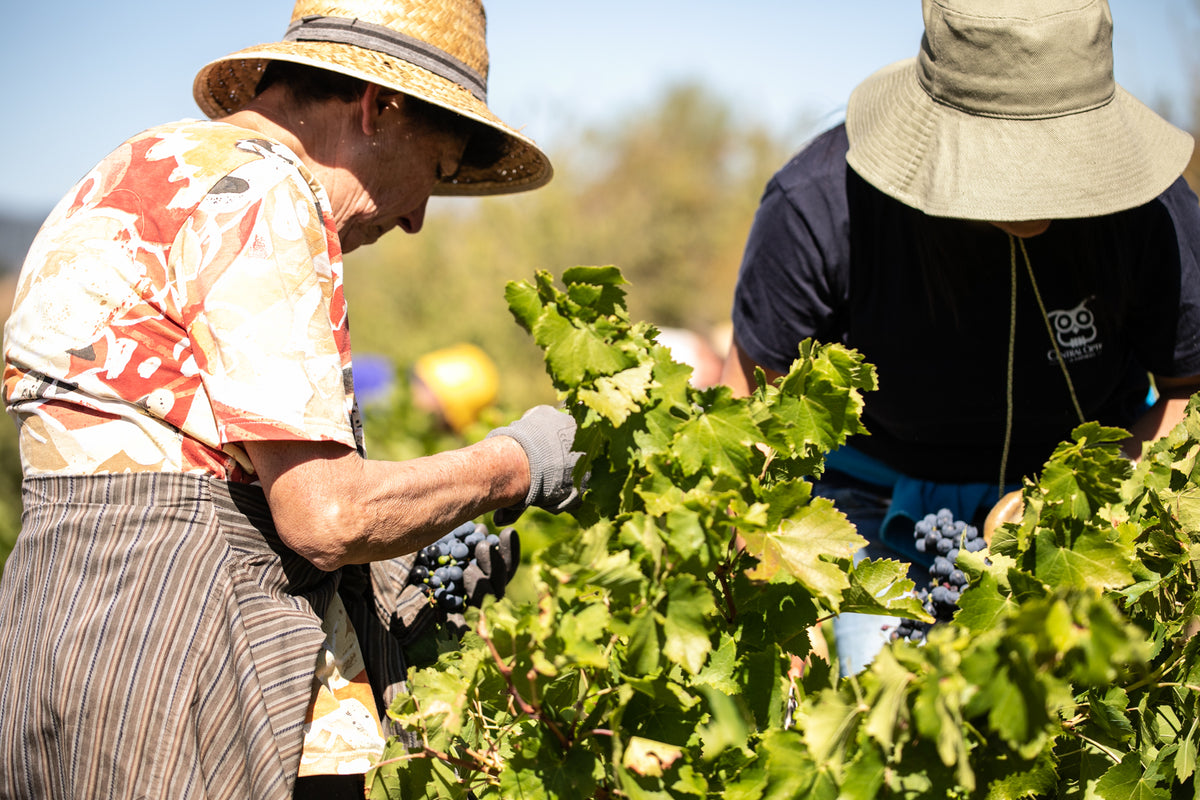

The people
Behind Sangarida are the brothers Robustiano and Baldomero Fariña, who run the Attis winery in the Rías Baixas, and Robustiano's daughter Lía. Her father comes from the coast, her mother from the Bierzo. They started here in 2019.
They are advised by the oenologist Jean-François Hébrard, a long-standing friend of the family.
Philosophy
Sangarida's oldest vines were planted between 1901 and 1910.
They are bush vines near San Lorenzo del Bierzo, with Mencía and Doña Blanca growing mixed in the same vineyard. They give the Pico Tuerto and the Doña Blanca in the La Yegua. The vineyards are farmed without herbicides or chemical fungicides.
Two steps, two colours
Mencía and Godello 2023 spend three months on the fine lees in steel. El Morredero and La Guiana both come from the La Tarea plot near Cacabelos, planted in 1999, and age twelve months in barrel. There are only 966 bottles of El Morredero.
Mencía
CHF 18.00
Mencía
CHF 45.00
Godello
CHF 19.00
Godello
CHF 45.00
Terroir
Mainly slate and clay, with sandy patches.
Mencía for the reds, Godello and Doña Blanca for the whites. The Godello 2023 comes from vines under 20 years old, while the bush vines near San Lorenzo are over a hundred.
A transition between Atlantic and continental climate, with hot summers and cool nights.
In the cellar
Picking is by hand into 15-kilo crates, followed by sorting. All the wines ferment spontaneously with natural yeasts and age on their fine lees.
The Mencía and Godello 2023 stay three months in steel, the single-site wines twelve months in barrel. The Pico Tuerto ages in 500-litre barrels, and for the La Yegua Sangarida uses acacia barrels as well as oak.
If you buy just one Sangarida, make it the Pico Tuerto: Mencía from four plots near San Lorenzo, planted 1901 to 1910, twelve months in 500-litre barrels. If you prefer white, go for the La Yegua, half Godello and half Doña Blanca.
The name comes from Greek myth: Sangarida was the nymph Attis fell in love with, breaking his vow to the goddess Cybele.
Photos


From Greek mythology. Attis was chosen to serve the cult of the goddess Cybele and had sworn her eternal chastity. Then he fell in love with the nymph Sangarida and broke his vow. Cybele destroyed the tree Sangarida lived in, and the nymph died. The Fariña family, whose first winery is called Attis, brings her back to life in Bierzo as a wine.
Sangarida is in Bierzo, in the province of León. The vines grow in Campo, Molinaseca and San Lorenzo del Bierzo on the slopes of the Montes Aquilianos, plus the La Tarea plot near Cacabelos. Behind the project are the Fariña brothers of Attis from the Rías Baixas and Robustiano’s daughter Lía, whose mother comes from Bierzo. They started in 2019.
Three varieties at home in Bierzo: Mencía for the reds, Godello and Doña Blanca for the whites. The oldest vines were planted between 1901 and 1910 as bush vines, with Mencía and Doña Blanca growing side by side. They give the Pico Tuerto and the Doña Blanca in the La Yegua 2021. The Godello 2023, by contrast, comes from vines under 20 years old.
Both are pure Mencía from the 2021 vintage. Pico Tuerto is named after a 2,051-metre mountain, comes from four plots near San Lorenzo del Bierzo planted from 1901 to 1910, and ages twelve months in 500-litre barrels. El Morredero comes from the La Tarea plot near Cacabelos, planted in 1999. There are 6,666 bottles of Pico Tuerto at CHF 29 and 966 of El Morredero at CHF 45.
Three: the steel-tank Godello 2023, La Yegua and La Guiana. La Yegua is half Godello, half Doña Blanca and spends twelve months on the lees in oak and acacia barrels. La Guiana is pure Godello from the La Tarea plot, 2,000 bottles, also twelve months in barrel. With us the Godello costs CHF 19, La Yegua CHF 29 and La Guiana CHF 45.
The vines are farmed without herbicides or chemical fungicides. Picking is done by hand into 15-kilo crates, followed by sorting. The wines ferment spontaneously with natural yeasts and age on the fine lees, in steel tanks or in French oak and acacia barrels depending on the wine. The family is supported by oenologist Jean-François Hébrard, a longtime friend.
The Mencía 2023 suits tapas, grilled meat, pasta with tomato sauce and medium-strength cheese. Pour the Godello 2023 with oysters, sushi, white fish or risotto, or simply as an aperitif. La Yegua goes with seafood, smoked fish and chicken. Our favourite is El Morredero, fine and fresh, with cherry, violet and pepper. Give it a little air.
Discover more

I am 18 or older
Your cart is currently empty.


