
Free shipping from 12 bottles · Delivery throughout Switzerland

Free shipping from 12 bottles · Delivery throughout Switzerland

Bandol · France
Former boxer Alain Pascal built the domaine by hand with his brother and named it after his father, “Big Noré”. Today the same rough hands tend 16 hectares of vines in La Cadière-d'Azur.
1 Rosé. From CHF 26.50.
Mourvèdre, Cinsault, Grenache
CHF 26.50
No wine matches these filters.
Origin
The Domaine du Gros'Noré sits in La Cadière-d'Azur, on the Chemin de l'Argile. «Argile» means clay, and clay and limestone make up the soil under the vines. For years, the Pascal family sold their grapes to the venerable estates of Ott and Pibarnon. The characterful house wine they made for their own table never had a name. In 1997, Alain Pascal bottled his first own wines, and soon the «Revue du vin de France» and «Gault et Millau» were writing about the young estate.

The people
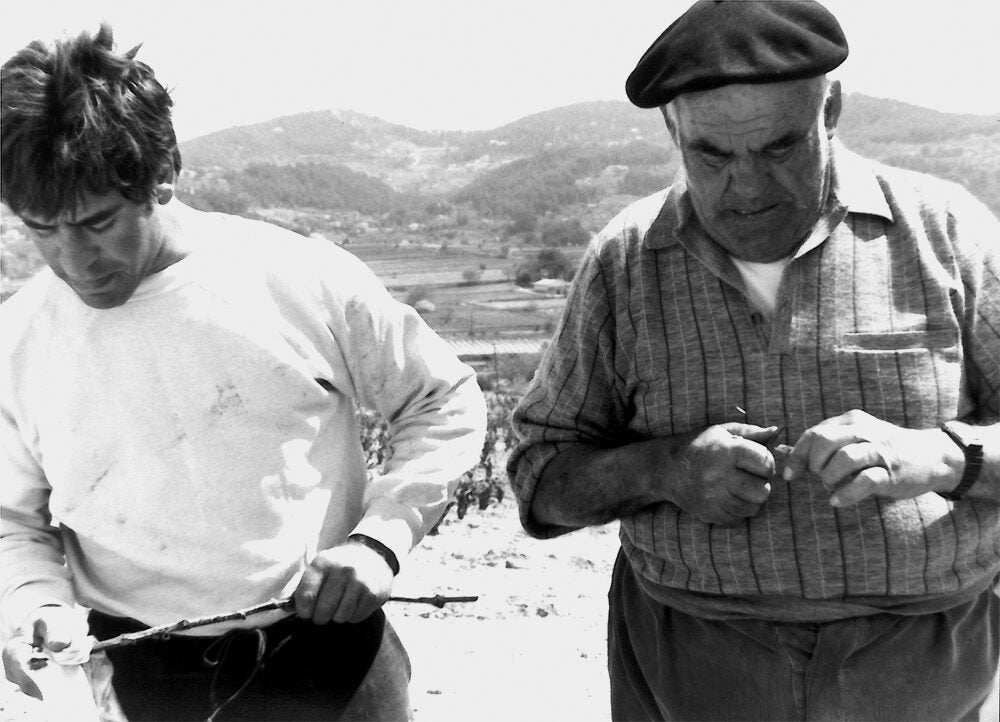
If Alain Pascal did not exist, a French filmmaker would have to invent him, wrote the «Wine Spectator». The former boxer embodies everything you would picture in a winemaker from the south of France: strong, sun-tanned, with big, rough hands that once did their work in the ring and now tend his vines with remarkable delicacy. A Hercules of Provence, they call him. Our Bernard has been sitting at Alain's table regularly for more than twenty years, and on a good day the host serves up a wild boar he shot himself.
Philosophy
Alain Pascal built the domaine by hand with his brother after his father's death, in the traditional Provençal style.
He tends his 16 hectares of vines meticulously. When success called for a bigger cellar, he also built a hall for parties and weddings.
Alain's rosé
Mourvèdre with Cinsault and Grenache, picked early in the morning, with part of it left briefly on the skins. That gives it more body than you expect from a rosé: it carries a whole meal, from grilled vegetables to bouillabaisse.
Mourvèdre, Cinsault, Grenache
CHF 26.50
Terroir
Clay and limestone, just as the Chemin de l'Argile carries it in its name. Heavy soils that hold water and give Mourvèdre the long ripening time it needs.
Mourvèdre takes centre stage: the red is 80% Mourvèdre, 15% Grenache and 5% Cinsault. The late-ripening variety needs plenty of warmth well into autumn.
La Cadière-d'Azur lies in Bandol's natural amphitheatre: plenty of sun, the Mediterranean at the door and the mistral drying the vines after rain and keeping them healthy.
In the cellar
Alain lets the grapes ripen as long as possible, ferments with indigenous yeasts and does not filter. The result is intense, tannic reds that become more complex after a few years in bottle.
Gros'Noré makes powerful, tannic Bandol. The red is 80% Mourvèdre. Visit the domaine and you will taste in the carnotzet, with a bit of luck alongside the homemade wild boar terrine.
Photos


«Gros'Noré», big Noré: that is what they called Honoré Pascal, a winegrower of imposing build. After his death, his son Alain and his brother built their own estate, in the traditional Provençal style and with their own hands. Alain gave it his father's name. The domaine is in La Cadière-d'Azur, on the Chemin de l'Argile.
A former boxer known locally as the Hercules of Provence. The «Wine Spectator» wrote that if he did not exist, a French filmmaker would have to invent him. He has bottled his own wine since 1997. Before that, the Pascal family sold its grapes to the long-established estates of Ott and Pibarnon and only made a house wine for its own table. When success called for a bigger cellar, he built a hall for parties next to it as well.
54 percent Mourvèdre, 25 percent Cinsault, 19 percent Grenache and 2 percent Clairette. The vines are 20 to 40 years old on average and grow on Bandol's terraces close to the sea, on limestone and clay soils with stony inclusions. Mourvèdre brings depth, spice and length, while Cinsault and Grenache add freshness.
Picking starts in the early morning. Part of the grapes is pressed straight away, another part stays briefly on the skins for extra structure. Fermentation runs at controlled temperature in steel tanks, then the wine rests several months on its fine lees. It has 13.5 percent alcohol and more body than you would expect from a rosé.
Salmon pink with coppery glints, with vineyard peach, apricot, blood orange, red berries and herbs on the nose, plus a salty touch. Dry and structured on the palate. It carries a whole meal, from grilled vegetables to goat's cheese, grilled fish, bouillabaisse or Provençal cooking. Serve it at 10 to 12 degrees. In our shop the Bandol Rosé 2025 costs CHF 26.50.
He tends his 16 hectares meticulously and lets the grapes ripen as long as possible. Fermentation uses indigenous yeasts, and nothing is filtered. The heavy clay and limestone soils hold water and give late-ripening Mourvèdre the long season it needs. That makes his reds intense and tannic, and they show their depth with time.
Discover more

I am 18 or older
Your cart is currently empty.

